Framework
In case you are planning to start a staffing agency providing drivers for trucks, big rigs, or freight carriers, then the question is surely there: Do You Need a License to Start a Staffing Agency Mediation is the answer — there are some certain licenses, registrations, and compliance are required at the federal and state level. If you aim to place temporary staff for logistics companies or provide staff augmentation compliance services for transportation businesses, getting the right staffing agency license or employment agency license is the very first step. Apart from just registering your business, agencies must cover topics like federal tax identification, business license applications, wage and hour compliance, privacy compliance, and workforce solutions within the broader staffing industry.
Federal Licensing Necessities

Employer Identification Number (EIN)
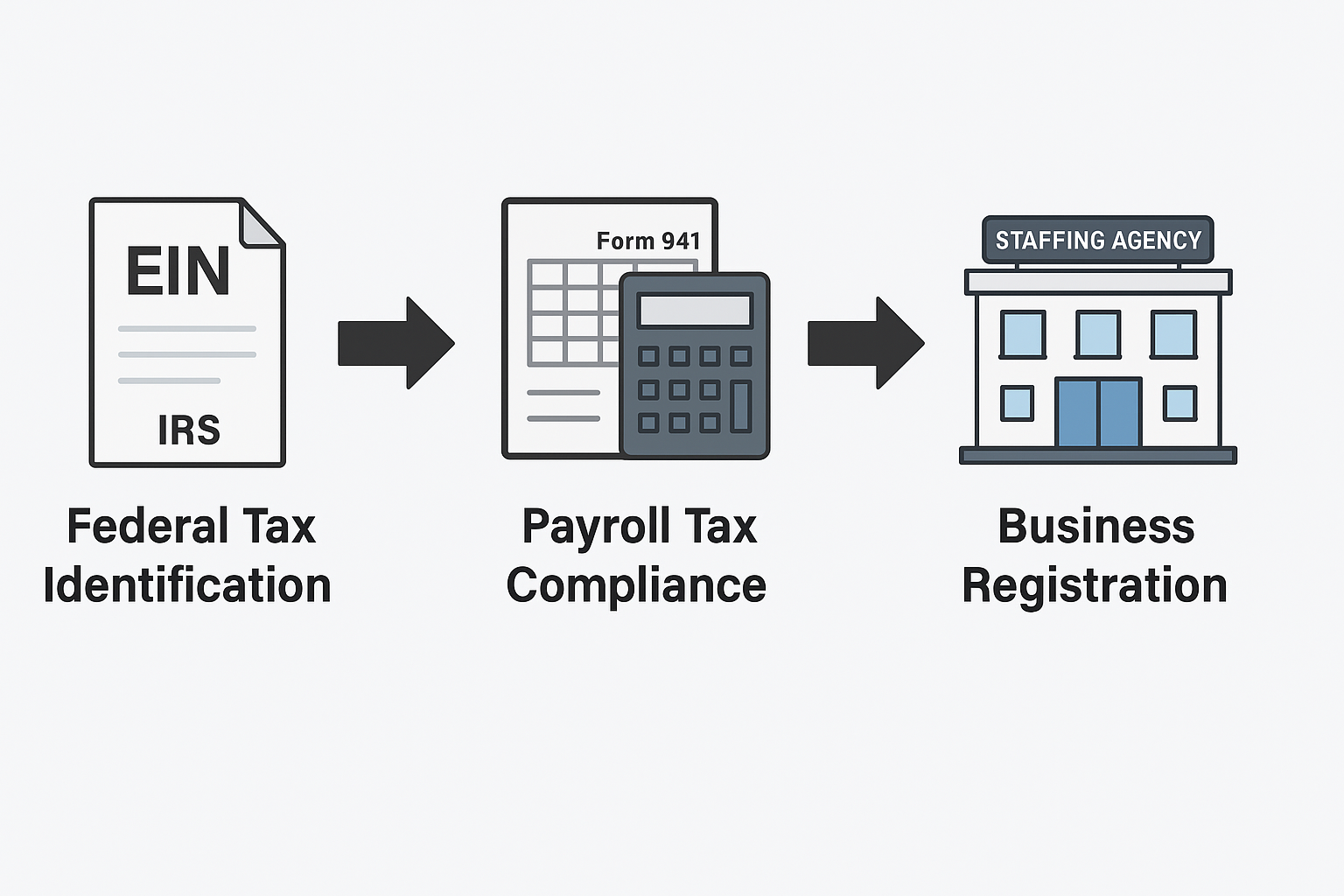
No staffing agency can do without obtaining an EIN from the IRS. This federal tax identification number is elementary while filing payroll taxes, staffing agency registration, or opening a business bank account. For agencies that employ truck drivers, the EIN allows them to keep track of wages, withheld taxes, and file reports like the IRS Form 941, a key element of payroll tax compliance.
Federal Tax Registrations
Besides the EIN, agencies have to handle federal registrations for corporate entity formation and payroll tax compliance. Filing for a corporate licensing structure, like an LLC or corporation, ensures keeping records the right way and allows for license application with state authorities more easily. These filings also establish business registration with federal and state recruitment agencies.
IRS Form 941
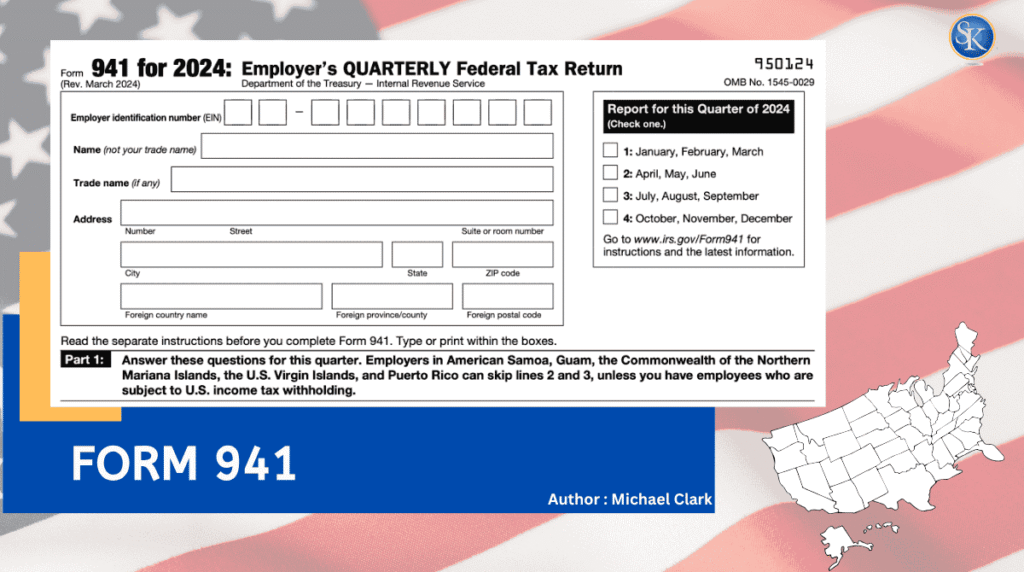
Staffing agencies are obliged to fill out IRS Form 941 quarterly which serves to report the withheld income taxes, Social Security, and Medicare taxes, as well as employee wages. This is pertinent to truck drivers working through temp-to-hire agreements, contracted employee positions, or in a contingent workforce manner. The failure to fulfill the duty of these filings could result in penalties and complications with license renewal.
EEOC Compliance
All staffing firms and employment agencies have to be compliant with EEOC rules which include avoiding discrimination in the hiring and placement practices. This is extra significant for trucking, where job seekers applying for the truck driving job must be evaluated blindly, irrespective of their race, gender, or background. Candidate engagement and job fulfillment are both central to EEOC compliance.
Compliance by the Department of Labor
The Department of Labor compliance requirements include sticking to both wage and hour compliance laws and the often-often-mentioned overtime rules, as well as staff augmentation compliance issues. For instance, drivers placed in logistics contracts need to be paid according to wage laws mentioning fair payment as a must, and recordkeeping requirements have to be fulfilled. Salary benchmarks, wage structures, and compensation rewards are often reviewed during Department of Labor compliance audits.
Immigration Compliance
Given that trucking often depends on a diverse workforce, staffing agencies must follow employment verification rules and immigration compliance. This may result in immigration audit requirements where all employees, including truck drivers, must show documentation. Staffing firms also have to follow data protection rules and privacy compliance regulations in storing employment records.
State License Requirements

States with Specific Staffing Agency Licenses
There are a few states that make it obligatory to have a staffing agency license or a temporary staffing license for the firms that operate as employment agencies. These license costs vary but usually cover filing with a licensing agency (a state entity) overseeing the board, bond renewal, and license verification steps. State licensing board oversight often demands license application reviews and periodic license renewal.
States with General Business Licenses

Other states only demand a general business license and state tax identification registration. Nevertheless, corporate licensing rules may still be in place, which demands annual report filings or other relevant state agency filings to be followed to the letter.
Professional Licensing
In some places, there are special professional licensing requirements or bonds that need to be posted for agencies that make specialized placements. For illustration, a recruitment firm or employment agency can be told to comply with fingerprinting requirements and get professional liability insurance covering clients against fraud or wrongdoing.
Workers Compensation Registration
Every staffing agency must secure a workers compensation insurance policy covering employees assigned to truck driving duties. The trucking business being of a perilous nature, workers comp registration benchmarks coverage in the event of accidents. Proof of insurance is often required when filing for staffing services or project staffing contracts.
Unemployment Insurance Registration
Staffing firms must register at the state level for unemployment insurance which will be protective for the truck drivers and any other workers in the case of jobs being cut or hours being reduced. The unemployment insurance registration is also bound to payroll tax compliance and state agency filings. Workforce management rules require unemployment insurance registration as part of hiring needs and hiring solutions.
Personal Business Documents and Items

Personal Background Checks
Many states make it a prerequisite to carry out personal background checks or even fingerprinting requirements that are obligatory for agency owners. This is the proper step through which you can adhere to the anti-fraud regulations and licensing exemptions.
Financial Statements
Usually, the presentation of financial statements is one of the requirements of the licensing applications. The staffing firms in the truck sector that want to show financial stability must provide assurance that they will be able to meet payroll obligations and fund the bond renewal requirements. Internal referrals from banks and auditors often strengthen financial statements.
Business Plan and Operating Procedures
Usually, the boards to which state license requirements is done, will request to see a business plan developed together with operating procedures. They might require staff augmentation compliance strategies, recruitment rules for truck drivers, client contracting rules, and workforce management approaches. Training programs, career development initiatives, and retention strategies may also be reviewed.
Non-Disclosure Agreement (NDA)
Adopting a non-disclosure agreement (NDA) preserves the confidentiality of the clients information. In logistics staffing, NDAs would prevent disclosure of sensitive data such as freight routes, driver schedules, and company contracts. NDAs are also tied to privacy compliance rules and staffing strategy policies.
Proof of Insurance
Evidence of insurance should be submitted including, but not limited to, professional liability insurance and workers compensation insurance this is non-negotiable. Liability coverage allows staffing firms to be shielded from being sued for workplace accidents or errors in placement. Facility documentation may also need to demonstrate insurance compliance.
Facility Documentation
In state agencies context, often facility documentation is required to show that your staffing firm is running and has an office. Even though a lot of staffing agencies do indeed work from home, a few jurisdictions do demand a physical workspace for corporate entity formation laws to be compliant with. Onboarding support documents are sometimes attached to facility documentation to demonstrate business operations.
Conclusion
Do You Need a License to Start a Staffing Agency? Of course, the answer is a definite yes. In the federal aspect, you must have an EIN along with federal tax identification, which constitutes payroll tax compliance thanks to IRS Form 941, and also adhering to EEOC and Department of Labor compliance rules. Moreover, immigration compliance involves the development of employment verification rules, immigration audit requirements, and protection of data through privacy compliance and data protection rules.
At the level of the state, things are a bit different some places would want you to have a staffing agency license or employment agency license, while others just necessitate a general business license. Be it as it may, workers compensation insurance, unemployment insurance registration, professional licensing, and surety bond are almost always required. Agencies are also required to submit personal background checks, financial statements, a business plan, NDAs, proof of insurance, facility documentation, and follow workforce solutions through staffing services.
Be it farce, be it, reale, what should be the end of business standing trucks drivers in long-haul roles or managing contingent workforce projects, licensing and compliance cannot be taken lightly. Agencies with lapses in staffing agency registration, failing to renew licenses, or not meeting staffing consultation requirements might be at risk of costly sanctions and damage to their integrity.
For all its worth, even to begin a staffing agency particularly in special sectors such as logistics and trucking, the requirement of only ambition is not enough. It necessitates having a qualified grasp on the procedures concerning obtaining licenses, wage and hour compliance, corporate licensing rules, OSHA compliance, client contracting rules, and anti-fraud regulations. With the right registrations, staffing strategy, license application, and lawful frameworks your business can support the American truck workforce of our time.